How many calories are in Honeycrisp Apples
1 medium (2-3/4" dia) of Honeycrisp Apples contains 72 calories
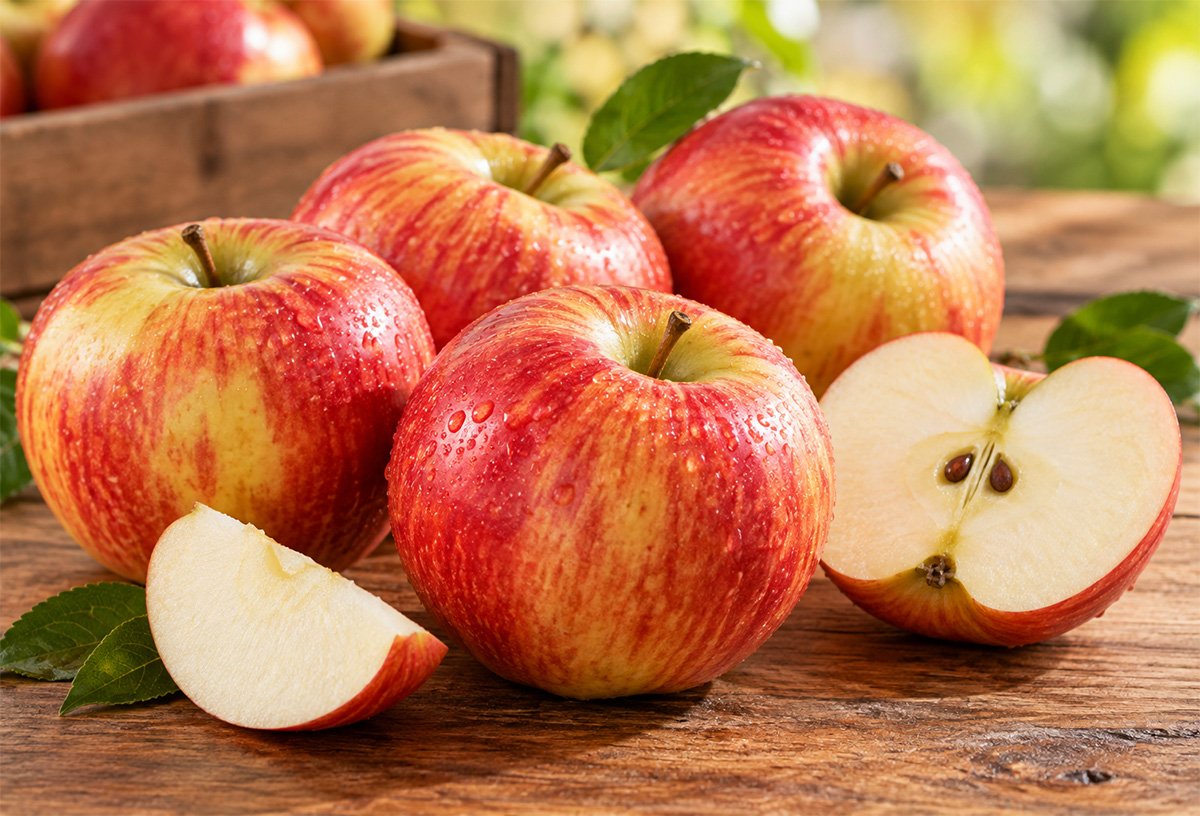
Honeycrisp apples are one of the most popular modern apple varieties in the United States. Developed by plant breeders at the University of Minnesota, the variety was commercially introduced in 1991 and became especially well known for its crisp texture, juiciness, and balanced sweet-tart flavor.
Appearance and Flavor
Appearance: Honeycrisp apples are typically medium to large in size. Their smooth skin has a yellow-green background with a distinctive red, orange-red, or crimson blush that often covers much of the fruit.
Texture and taste: The flesh is pale cream to yellow, very crisp, and exceptionally juicy. Honeycrisp apples are known for their balanced sweet and slightly tart flavor, often with mild honey-like notes.
Season and storage: Honeycrisp is generally considered a late-summer to fall apple, with harvest typically beginning in September depending on the growing region. When stored under proper refrigerated conditions, the apples can maintain their crisp texture and quality for several months.
Potential Health Benefits
Good source of fiber: Apples provide both soluble and insoluble fiber, including pectin. Fiber supports normal digestion, helps promote a healthy gut microbiome, and may contribute to healthy cholesterol levels as part of a balanced diet.
Provides antioxidants: Apple skins contain plant compounds such as flavonoids and anthocyanins. These antioxidants help protect cells from oxidative stress and are one reason whole apples are generally more nutritious than peeled apples or apple juice.
Provides vitamin C: Honeycrisp apples contain vitamin C along with small amounts of other vitamins and minerals that contribute to overall nutrition.
Hydrating and relatively low in calories: Apples have a high water content and provide satisfying volume for relatively few calories, making them a convenient snack for people trying to manage calorie intake or stay full between meals.
Things to Consider
Contains natural sugars: Honeycrisp apples are naturally sweet and contain more sugar than some more tart apple varieties. People who closely monitor carbohydrate intake or blood sugar may want to pay attention to portion size and total carbohydrate intake.
May cause digestive discomfort: Apples contain fermentable carbohydrates that can cause bloating, gas, or abdominal discomfort in some people, particularly those with irritable bowel syndrome or sensitivity to high-FODMAP foods.
Acids may affect sensitive teeth: The natural acids and sugars in apples can temporarily soften tooth enamel. Rinsing the mouth with water after eating acidic foods may help reduce prolonged acid exposure.
Possible oral allergy symptoms: Some people with birch pollen allergy may experience itching or tingling in the mouth after eating raw apples due to pollen-food allergy syndrome. Cooked apples are often better tolerated.
Nutrition Facts
Serving Size 1 medium (2-3/4" dia)
| Calories | 72 | |
|---|---|---|
| Protein | 0.36 g | |
| Fats | 0.23 g | |
| Mono Unsaturated Fat | 0.01 g | 4.35 % |
| Poly Unsaturated Fat | 0.07 g | 30.43 % |
| Saturated Fat | 0.039 g | 16.96 % |
| Carbohydrate | 19.06 g | |
| Fiber | 3.3 g | 17.31 % |
| Sugars | 14.34 g | 75.24 % |
| Calcium (Ca) | 8 mg | |
| Iron (Fe) | 0.17 mg | |
| Potassium (K) | 148 mg | |
| Sodium (Na) | 1 mg | |
| Cholesterol | 0 mg |
Calories
72
Protein
0.36 g
Fats
0.23 g
Carbs
19.06 g
Similar Foods
- Sparkling Honeycrisp Apple Juice Trader Joe's 120 kcal
- +Energy Honeycrisp Apple Berry V8 50 kcal
- Honeycrisp Apple Cider Kime's 120 kcal
- Honeycrisp Apple Pie Granola The Safe + Fair Food Company 130 kcal
- Honeycrisp Apple Pie Granola Safe + Fair 130 kcal
- Honeycrisp Apple Trader Joe's 80 kcal
Food Spotlight
Breakfast Tacos - Bean & Cheese on Corn

Per 1 serving

Latest News
- FOODSMushrooms: Nutrition, Health Benefits, and Possible Risks
Mushrooms have a firm texture and rich umami flavor, making them a great ingredient for satisfying meatless meals. Because mushrooms naturally enhance savory flavors, they can also help reduce the need for extra salt without sacrificing taste. They can be sautéed, roasted, grilled, or added to soups, pasta dishes, stir-fries, and many other meals
- DIETHow Saturated Fat Is Linked to Insulin Resistance
Insulin resistance develops when the body’s cells stop responding properly to insulin. When blood sugar remains elevated for a long time, it can gradually and silently damage the kidneys, eyes, heart, and other organs.
Comments
Be the first to share your experience.