How many calories are in Irish Whiskey Jameson
1 shot (1 oz) of Irish Whiskey by Jameson contains 69 calories
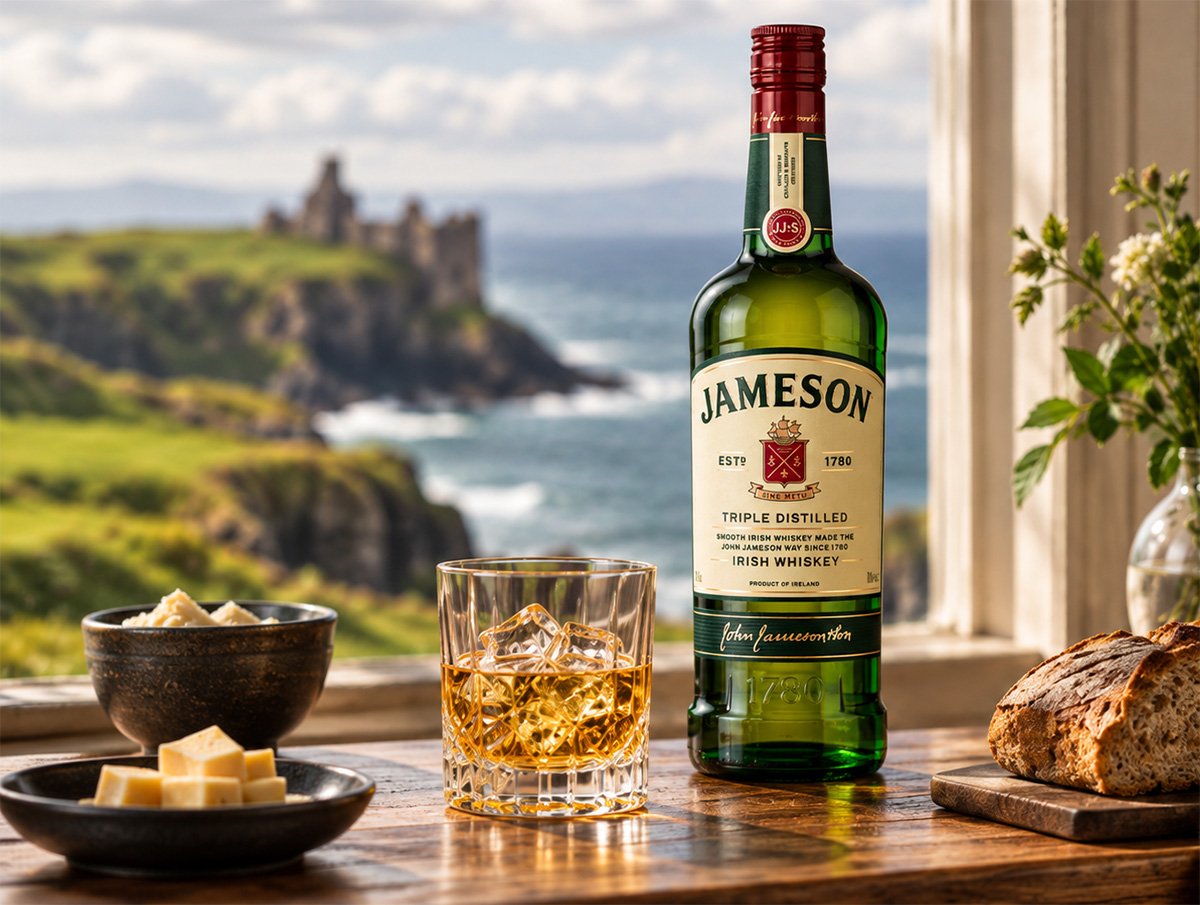
Jameson Irish Whiskey is one of the best-known blended Irish whiskeys in the world. It is recognized for its smooth, approachable flavor, which comes from a combination of triple distillation, the use of unpeated malt, and aging in oak barrels for several years.
Flavor and Profile
Taste and aroma: Classic Jameson has a light, clean aroma with floral notes and hints of vanilla, caramel, honey, and ripe fruit such as apple and pear. Because peat smoke is not used during production, it lacks the smoky or medicinal character associated with some Scotch whiskies.
Alcohol content: Most standard Jameson expressions are bottled at 40% alcohol by volume (ABV).
Ingredients: Water, malted and unmalted barley, and grain whiskey.
Nutrition and Characteristics
Very low in carbohydrates and sugar: Straight whiskey contains little to no sugar or carbohydrates, although it still provides calories from alcohol.
Contains compounds from barrel aging: Whiskey may contain small amounts of plant-derived compounds such as ellagic acid and other polyphenols, but these amounts are not considered a meaningful reason to consume alcohol.
Lower in sugar than many mixed drinks: When consumed without sweet mixers, whiskey generally contains less sugar than cocktails, liqueurs, or flavored alcoholic beverages.
Things to Consider
High alcohol content: At around 40% ABV, whiskey is a concentrated alcoholic beverage, and even relatively small servings contain a significant amount of alcohol.
Can affect the liver and other organs: Frequent or excessive alcohol consumption can increase the risk of liver disease and may also negatively affect the brain, cardiovascular system, and digestive tract.
Risk of dependence: Regular alcohol use can lead to tolerance and dependence, particularly when intake increases over time.
May irritate the digestive system: Strong alcoholic drinks can irritate the stomach and esophagus and may worsen symptoms in people with certain gastrointestinal conditions.
Can cause dehydration and hangover symptoms: Excessive intake may lead to dehydration, headache, nausea, fatigue, and impaired coordination or judgment.
Alcohol should be avoided during pregnancy and breastfeeding, before driving or operating machinery, and by people who have been advised to avoid alcohol because of certain medical conditions or medications.
Whiskey should be consumed responsibly and should not be considered a source of health benefits, antioxidants, or cardiovascular protection.
Nutrition Facts
Serving Size 1 shot (1 oz)
| Calories | 69 | |
|---|---|---|
| Protein | 0.00 g | |
| Fats | 0.00 g | |
| Mono Unsaturated Fat | 0 g | |
| Poly Unsaturated Fat | 0 g | |
| Saturated Fat | 0 g | |
| Trans Fat | 0 g | |
| Carbohydrate | 0.00 g | |
| Fiber | 0 g | |
| Sugars | 0 g | |
| Sodium (Na) | 0 mg | |
| Cholesterol | 0 mg |
Calories
69
Protein
0.00 g
Fats
0.00 g
Carbs
0.00 g
Similar Foods
- Irish Whiskey Tullamore Dew 69 kcal
- Jameson Irish Whiskey (Single) Hooters 80 kcal
- Jameson Irish Whiskey (Double) Hooters 130 kcal
- Aged Cheddar with Irish Whiskey Kerrygold 110 kcal
Food Spotlight
Breakfast Tacos - Bean & Cheese on Corn
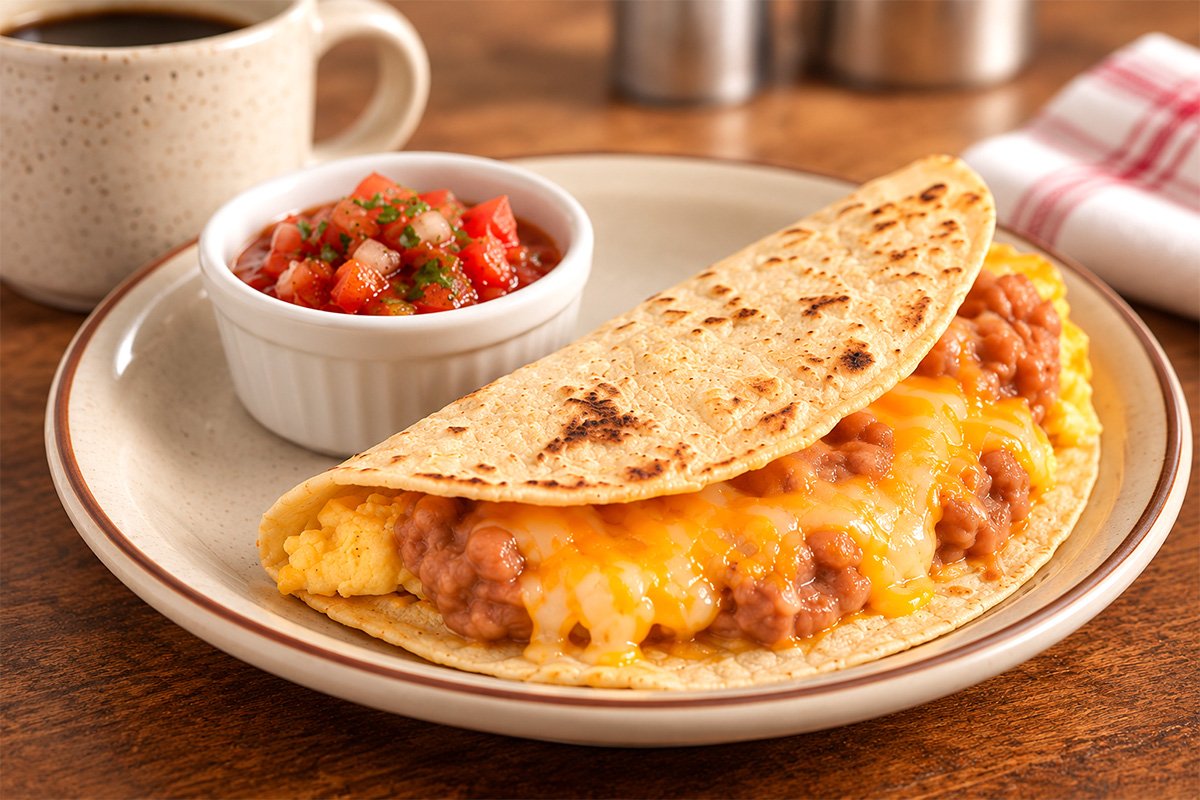
Per 1 serving

Latest News
- FOODSMushrooms: Nutrition, Health Benefits, and Possible Risks
Mushrooms have a firm texture and rich umami flavor, making them a great ingredient for satisfying meatless meals. Because mushrooms naturally enhance savory flavors, they can also help reduce the need for extra salt without sacrificing taste. They can be sautéed, roasted, grilled, or added to soups, pasta dishes, stir-fries, and many other meals
- DIETHow Saturated Fat Is Linked to Insulin Resistance
Insulin resistance develops when the body’s cells stop responding properly to insulin. When blood sugar remains elevated for a long time, it can gradually and silently damage the kidneys, eyes, heart, and other organs.
Comments
Be the first to share your experience.